
How gambling influences social dynamics and community well-being
The Economic Impact of Gambling
Gambling can serve as a significant economic engine for communities. Casinos and gaming establishments often create job opportunities, ranging from hospitality to retail, and can stimulate local economies through tourism. The influx of visitors to these establishments can lead to increased spending in nearby businesses, including restaurants, shops, and hotels, thereby boosting overall community wealth. Additionally, many people enjoy participating in sweepstakes casinos, which further enhances local economic activity.
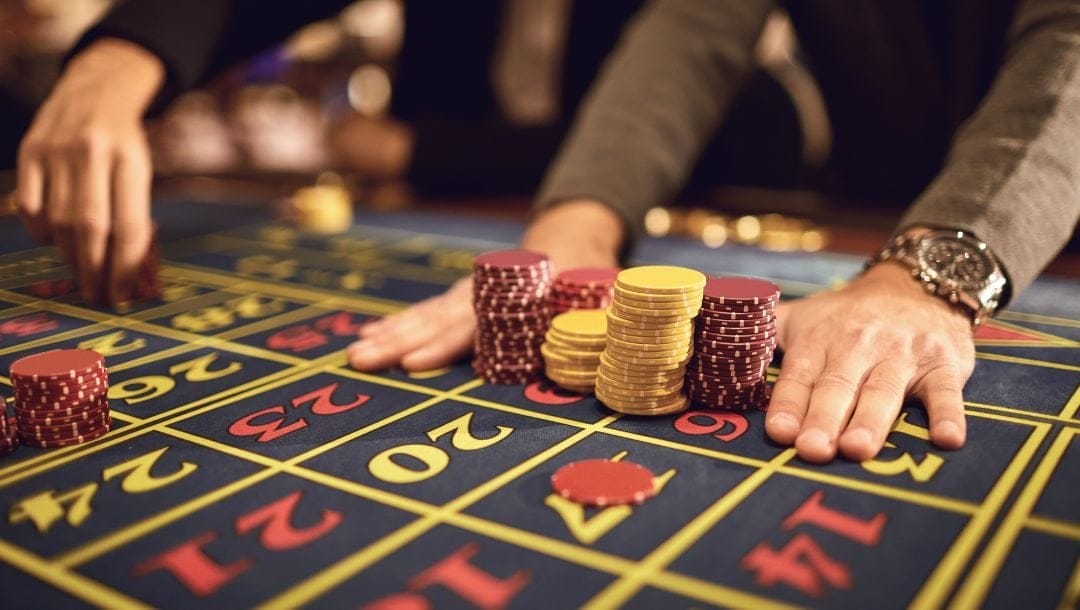
Moreover, the taxes generated from gambling can provide essential funding for public services such as education, healthcare, and infrastructure. Communities that benefit from this revenue can enhance local amenities, improve quality of life, and invest in programs that foster social cohesion. However, this economic benefit must be weighed against potential social costs associated with gambling addiction and related issues.
The Social Fabric and Community Interactions
Gambling has a unique ability to bring people together, fostering social interactions and relationships within communities. Social gambling events, whether in-person or online, can create a sense of belonging and community bonding. These gatherings often facilitate conversations and connections among participants, which can lead to stronger community ties.
However, the influence of gambling on social dynamics can also introduce complexities. While it can enhance social networks, it can equally lead to divisions among those who gamble responsibly and those who may struggle with addiction. Understanding these dynamics is essential for communities seeking to promote healthy interactions while managing the risks associated with gambling.
The Role of Luck and Psychological Factors
The element of chance in gambling can have profound psychological effects on individuals and communities. The thrill of risk-taking and the hope for a big win can create excitement but also promote unrealistic expectations. This duality can influence behavior and decision-making, as individuals may chase losses or engage in compulsive gambling patterns.
Communities must recognize the psychological factors at play when addressing gambling within their social fabric. Providing education about the nature of luck and the risks associated with gambling can empower individuals to make informed decisions and foster healthier attitudes toward gaming. This understanding is essential for mitigating potential negative outcomes and promoting well-being.
Addressing Gambling-Related Challenges
While gambling can bring economic and social benefits, it also presents challenges that communities must address. Problem gambling can lead to financial hardship, strained relationships, and broader social issues. Communities need to implement support systems, including counseling services and community awareness programs, to assist those affected by gambling-related problems.
Effective policy measures are crucial in managing the risks associated with gambling. By fostering a dialogue about responsible gambling practices and implementing regulations that protect vulnerable populations, communities can create an environment that maximizes the benefits of gambling while minimizing its negative impact. Proactive engagement with stakeholders can lead to comprehensive strategies that enhance community well-being.

About This Website
This website is dedicated to exploring the multifaceted effects of gambling on social dynamics and community well-being. By providing valuable insights, research, and resources, we aim to foster informed discussions about the implications of gambling within society.
Our mission is to create a platform that encourages understanding, awareness, and responsible engagement with gambling. We believe in the importance of balancing the economic benefits of gambling with the need for community support and well-being. Join us as we delve deeper into this important topic and promote healthier communities.